


House, townhouse or apartment: Which first home should you buy?
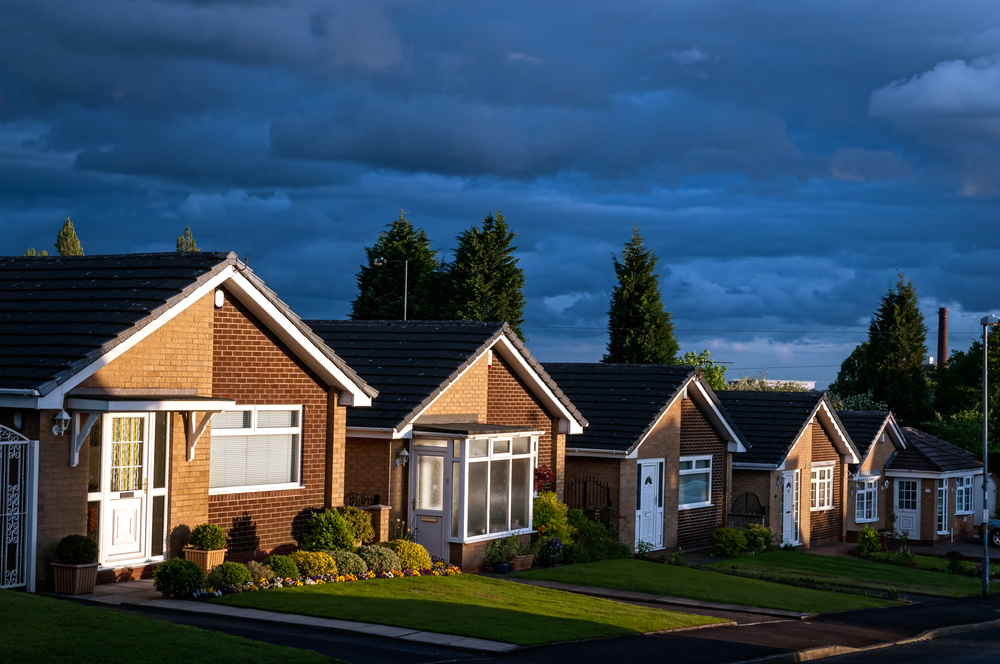
The Australian dream used to be owning a house and land — but today, there are so many more options available to home buyers. Townhouse, semi-detached home, apartment…with so many options, it’s easy to get paralysed by the sheer amount of choice out there.
Buying your first home often involves balancing location, cost and style — and this starts with choosing the right type of property. To help you make an informed decision, we break down the pros and cons of buying a house, apartment, and townhouse as your first home.
Pros and cons of buying a house
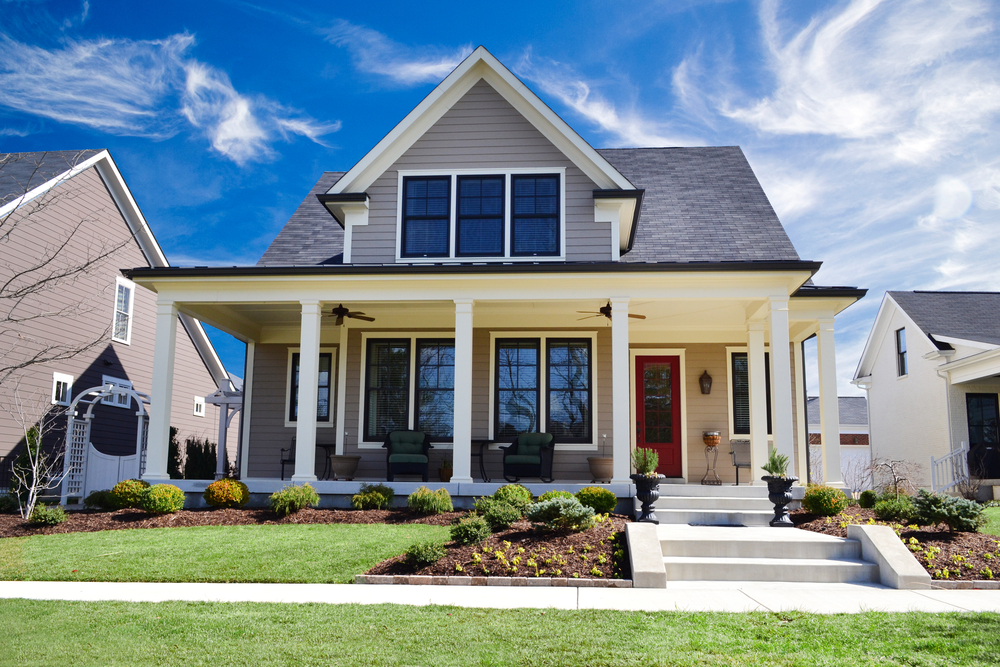
A house comes with a number of benefits, from the ability to renovate it to your heart’s content to added privacy from neighbours. However, this trade-off comes at a cost: houses are typically more expensive to purchase and maintain, thanks to their size and the amount of land attached to the property.
- Pro: higher value from land. Land value accounts for a significant portion of a property’s valuation in capital cities, and sometimes can be worth more than the house itself. This is because, unlike dwellings, land is a limited resource and demand consistently outstrips supply. If you’re purchasing a home with the intention to hold on to the property for a significant period of time, you’ll likely see its value increase over time as a result of the land.
- Pro: more outdoor space. With more land comes more outdoor space, particularly when compared to apartments. As an increasing number of us work from home, having easy access to green space is more important than ever before. You can use your backyard to grow your own fruits, vegetables and herbs, or build an outdoor entertaining space.
- Pro: greater flexibility to renovate. With apartments, you can only really renovate within your own four walls. However, with homes, you have free reign to do (almost) anything you want without seeking approval. This comes in handy if you’re looking to increase your home’s curb appeal, or want to improve upon it for your future family.
- Pro: increased privacy. Unlike apartments where neighbours share a wall, a freestanding home isn’t connected to any other property. This in itself means you have greater privacy from those around you — plus, you can build a fence or plant trees if you want your home to be even more secluded.
- Con: higher property prices. There’s no getting around it: houses are more expensive than apartments or townhouses. According to the Domain House Price Report for the March 2021 quarter, the average house in Australia is valued at $899,509, while the average unit is valued at approximately $585,000. This means you’ll need a higher loan-to-value (LVR) ratio to apply for a mortgage.
- Con: higher maintenance costs. Having more land and more space also means you’ll have to foot a bigger amount to maintain your property. Every year, you’ll need to pay local government taxes and rates, while also conducting any maintenance or repairs to your property. These costs can quickly add up to thousands of dollars every year on top of your existing mortgage repayments.
- Con: requires more time and upkeep. Alongside the extra maintenance costs, owning a home also comes with more responsibility. From regularly cleaning out your roof and gutters to maintaining the paint job and conducting termite inspections, you’ll have your hands full when it comes to keeping your home in tip-top shape.
Pros and cons of buying an apartment
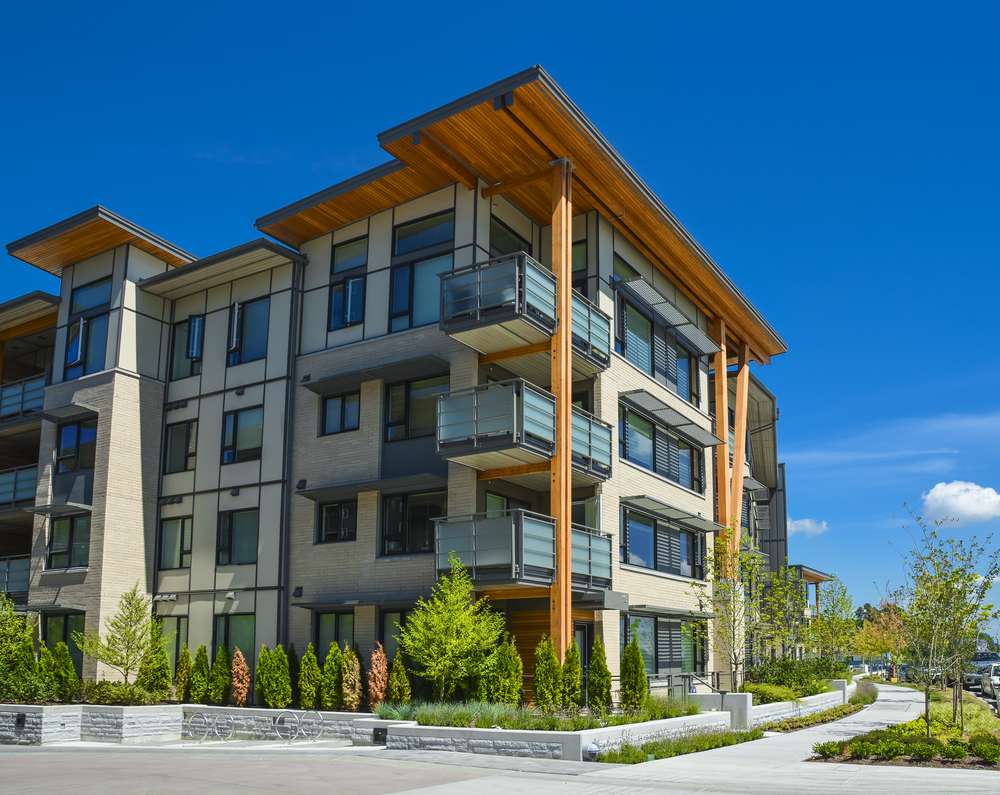
Apartments require a lot less work than houses and are more affordable, which typically makes them an ideal entry point for first home buyers. However, you won’t enjoy the space and privacy you get from a house — or the freedom to make every part of it your own.
- Pro: lower average property prices. Units are the most affordable of the three property types listed in this post, which means you’ll be able to get into the market sooner rather than later.
- Pro: low maintenance and upkeep. With an apartment, you don’t need to worry about mowing the lawns or cleaning the roof — all you need to do is look after the rooms within your home and your balcony, if you have one. On top of this, some repairs may be covered by the body corporate.
- Pro: convenient locations. Units are usually situated in convenient locations, such as in key transport hubs or inner-city suburbs. This is ideal if you don’t have a car and rely on public transport, or you like to live within easy access of eateries, supermarkets or nightlife.
- Con: less space and privacy. According to CommSec, the average house in Australia has a 186.3sqm floor plan while the average apartment has a 125sqm floor plan. On top of this, you’ll have to share walls with at least one neighbour, if not two — that is, unless you live in the penthouse.
- Con: less flexibility. While you can still renovate some areas of your apartment, there are fewer options than with a house. You won’t be able to change the exterior of your home, and some body corporates may also require larger renovations to be approved before they can proceed.
- Con: difficult to secure a loan for studio apartments. If you’re purchasing a smaller studio or one bedroom apartment under 50sqm, you may experience more difficulty securing a home loan. This is because lenders view these properties as trickier to sell, and therefore classify it as a riskier prospect than other homes.
- Con: strata fees. Although there are fewer costs associated with owning an apartment, you’ll still need to pay strata fees to maintain the building’s common areas. Strata fees range from a few hundred per quarter to thousands, depending on the number of amenities in your complex.
Pros and cons of buying a townhouse
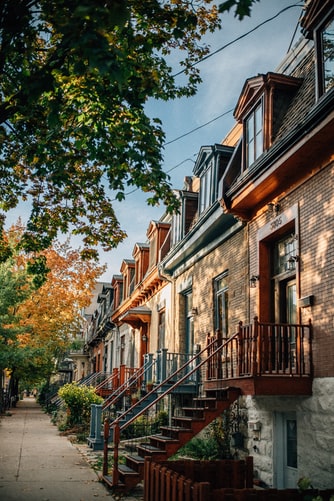
Townhouses offer similar benefits to owning a house, such as a small courtyard and more space, while being more affordable and requiring less work. As a result, townhouses are often a good option for first home buyers looking for the middle ground between a house and an apartment.
- Pro: better value for money. Townhouses are typically larger and have a larger floor plan than apartments, but are more affordable than houses. You’ll get a bit more bang for your buck, and your home may even come with a small outdoor space.
- Con: less privacy. Although these types of homes offer more privacy than an inner-city apartment, you’re still sharing a wall with at least one other person next door.
- Con: limited land. You may have a courtyard or a front yard that’s suitable for entertaining or reading outdoors. However, this is likely to be far smaller than the sprawling backyards that many house owners enjoy.
Looking to buy your first home? We are here to help.
With more than 20+ years of experience, we understand how to help first home buyers secure their dream home. Our seasoned brokers will seek the sharpest home loan for you based on your personal and financial situation, and ensure you take advantage of all the grants and schemes available to you as a first homeowner.
Get started today with a no-obligation consultation.
Looking for your dream home on Sydney’s North Shore? Contact Sam Lee at Everest Realty today.
Sam Lee
sam.lee@everestrealty.com.au
0419 013 974
https://www.everestrealty.com.au/
** General Advice Warning
The information provided on this website is general in nature only and it does not take into account your personal needs or circumstances into consideration. Before acting on any advice, you should consider whether the information is appropriate to your needs and where appropriate, seek professional advice in relation to legal, financial, taxation, mortgage or other advice.